

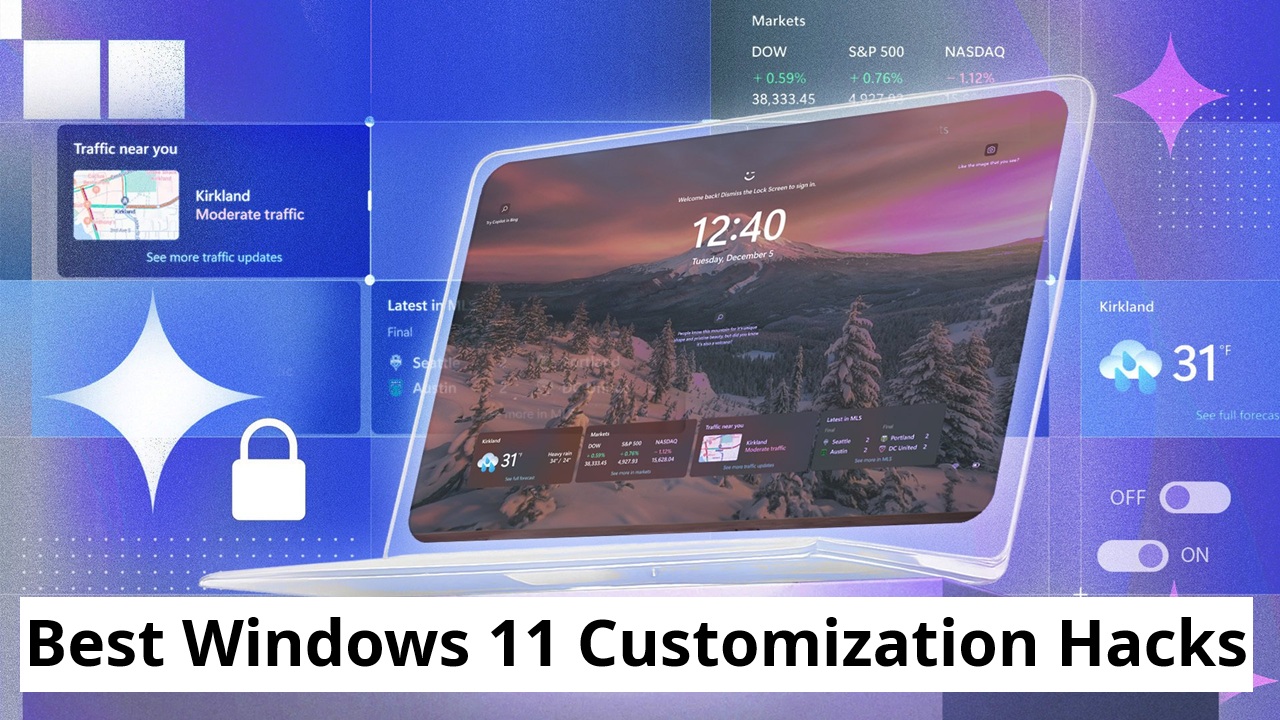
Windows 11 has come a long way. After years of updates, refinements, and new features, it is more flexible and polished than when it first launched. Yet a lot of people still use it exactly as it looked on day one. That usually means extra clutter, small annoyances, and missed opportunities to make daily work easier.
Customization is not only about looks. It shapes how quickly you can find things, how focused you feel, and how comfortable your setup is over long hours. A tidy taskbar cuts distractions. A logical Start Menu saves time. Even small visual tweaks can reduce eye strain.
The good news is that Windows 11 now supports plenty of personalization without risky system hacks. With a few smart changes, your PC can feel faster, calmer, and more suited to how you actually work.
Start With What Windows 11 Already Gives You
Before downloading any tools, explore the built-in options. Many people skip this step and install third-party apps right away, even though Windows already includes strong customization features. If you are considering more advanced tweaks, sometimes users look for a windows 12 iso file to experiment in a clean environment without affecting their main system.
The Settings app is your main hub. In Personalization, you can change themes, colors, backgrounds, fonts, lock screen behavior, and taskbar layout. The System section also lets you adjust notifications, animations, and multitasking behavior. Having a windows 12 iso file on hand can also help if you ever want to reset or test changes safely.
Using native settings first has clear benefits. They are stable, secure, and designed to work smoothly with updates. Also, many external tools only change settings that already exist in Windows. When you understand the built-in controls, you can decide more wisely if you truly need extra software.
Practical Taskbar Customization That Makes Life Easier
The taskbar is where you click hundreds of times a day, so small improvements matter.
Alignment and Size
The centered taskbar looks modern, but it is not for everyone. If you used older Windows versions for years, left alignment may feel more natural. You can switch this in Taskbar settings in seconds.
Taskbar size is not directly in the menu, but it can be changed through the Registry. Smaller taskbars are great for laptops where screen space is precious. Larger ones can help on touch screens. Pick what feels comfortable for your eyes and hands.
Remove What You Do Not Use
Many default icons are unnecessary for some users. Search, Widgets, Copilot, and Chat can be turned off easily. Fewer icons mean less clutter and fewer distractions.
There is also a small performance gain. Widgets and similar features can use memory and internet activity. On modest hardware, trimming these can make the system feel snappier.
Transparency and Visual Style
Basic transparency can be enabled in the Colors settings. It adds a bit of depth and can make the interface feel lighter, especially in dark mode.
Fully transparent or floating taskbars are possible with trusted tools. If you go this route, keep it subtle. The goal is clarity, not a flashy desktop that pulls your attention away from work.
A Minimal, Focused Taskbar
Many productive users keep only essential apps pinned. They disable badges and limit notifications. This reduces visual noise and helps concentration, especially during long work sessions.
Start Menu Tweaks That Improve Daily Workflow
The Start Menu gets a lot of criticism, but it can be very efficient with a bit of setup.
Organize Pinned Apps
Think of pinned apps as your quick access panel. Only pin what you open often. Use folders to group similar apps like browsers, office tools, or design software. This reduces scrolling and mental clutter.
A simple rule helps: keep priority apps at the top and avoid mixing work and entertainment in the same folder.
Turn Off Recommendations
The Recommended section shows recent files and apps. Some people like it, many do not. Disabling it gives a cleaner look and improves privacy. It can also make the Start Menu feel slightly faster since it loads less content.
Third Party Start Menus
Alternative Start Menus are useful if you truly dislike the default one. Choose well known, well maintained software. Avoid anything that deeply alters system files. Stability is more important than nostalgia.
Match Your Role
Students can group apps by subject. Professionals can highlight work tools and communication apps. Creators can prioritize design and editing software. A Start Menu that matches your life saves time every day.
Themes and Visual Comfort
Visual settings affect comfort more than most people expect.
Dark Mode, Light Mode, and Accent Colors
Dark mode is easier on the eyes in low light. Light mode works better in bright rooms. Accent colors are worth adjusting too. Calm, muted tones often feel better than bright, saturated ones.
Themes and Icons
Themes from the Microsoft Store are safe and simple. Icon packs should come from reputable communities. Consistent icons can make navigation feel smoother and more pleasant.
Wallpapers and Lock Screen
Static wallpapers are best for performance. Animated backgrounds look nice but use more resources. A customized lock screen with weather or calendar info can be genuinely useful.
Accessibility Tweaks for Everyone
Text scaling and contrast settings are not only for accessibility needs. Slightly larger text and clearer contrast can reduce fatigue during long days at the computer.
Advanced Customization for Power Users
Keep Performance in Mind
Not all customization is harmless. Heavy animations, live widgets, and many background effects can slow things down, especially on mid range machines.
A good rule is balance. Aim for a clean and pleasant look without sacrificing responsiveness. Limit startup apps and background tools. A smooth system always feels better than a fancy but sluggish one.
Common Mistakes to Avoid
One mistake is stacking too many customization tools that do similar things. This can cause conflicts and update problems. Another is editing system files without backups.
Also, be careful where you download from. Unknown sources bring security risks. Smart customization is about control and simplicity, not excess.
Quick Answers to Common Questions
Can you customize Windows 11 without third party tools?
Yes. Most visual and layout changes are possible with built in settings.
Is taskbar customization safe?
Native changes are safe. Registry and third party changes need care.
Do themes hurt performance?
Official themes barely affect speed. Live wallpapers and heavy animations can.
Do customization tools survive updates?
Good ones usually do. Poorly maintained ones may break after major updates.
Final Thoughts
Customizing Windows 11 is really about making your computer work the way your brain works. Start with the built in tools. Clean up your taskbar and Start Menu. Adjust visuals for comfort, not trends.
Small, thoughtful changes add up. Over time, your PC stops feeling like a generic machine and starts feeling like your own workspace, tuned to your habits and your pace.