

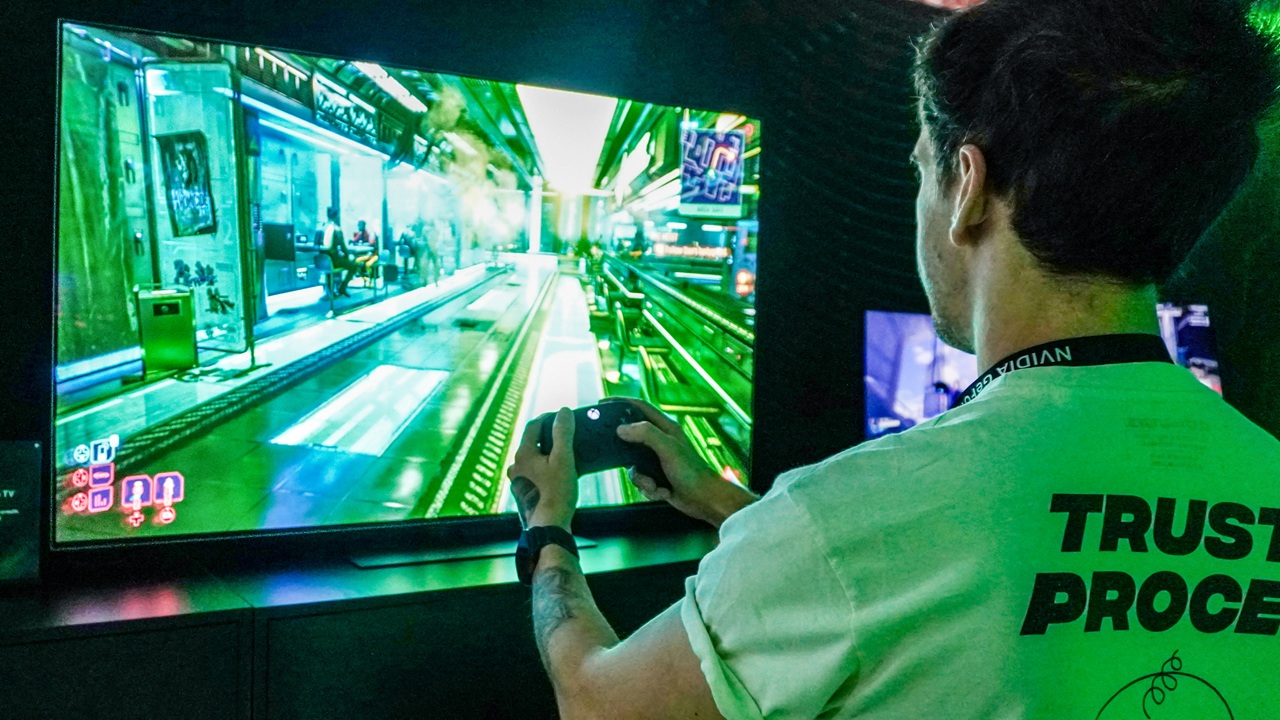
Cloud gaming has quickly moved from a futuristic concept to a practical way people play games. Instead of relying on powerful hardware at home, cloud gaming allows games to run on powerful remote servers while the gameplay is streamed directly to your device through the internet. In simple terms, your device becomes a screen and controller while the heavy processing happens in the cloud.
In 2026, this technology is gaining significant popularity. Faster internet connections, expanding data centers, and better streaming technologies have made cloud gaming smoother and more reliable than ever before. Services like Xbox Cloud Gaming and NVIDIA GeForce Now are leading the industry by allowing players to access high quality games without owning expensive gaming hardware.
This rapid growth raises an important question in the gaming world. If games can run smoothly from the cloud, do players still need powerful gaming PCs at home?
What Is Cloud Gaming and How Does It Work

Cloud gaming is a technology that allows players to run video games on remote servers instead of their personal computers or consoles. When you start a game through a cloud gaming platform, the game actually runs inside a powerful data center filled with high performance hardware.
The server processes everything such as graphics rendering, physics calculations, and game logic. The video output is then streamed to your device in real time, much like watching a live video. When you press a button on your controller or keyboard, that input is sent back to the server instantly.
For this system to work smoothly, internet speed and latency play a critical role. A fast connection ensures high resolution streaming, while low latency keeps controls responsive. Technologies like adaptive streaming and edge servers help reduce delays.
One of the biggest advantages is device flexibility. Cloud gaming platforms now support PCs, smartphones, tablets, smart TVs, and even some web browsers. This means players can start a game on one device and continue playing on another without needing high end hardware.
The Evolution of Cloud Gaming Technology
Cloud gaming did not appear overnight. Early attempts began more than a decade ago with platforms like OnLive and Gaikai. These services introduced the concept but struggled because internet speeds and infrastructure were not ready at the time.
Over the years, global internet infrastructure improved dramatically. Technology companies invested heavily in large data centers and faster networking systems. Fiber internet became more common in many regions, while mobile networks evolved into powerful 5G connections.
Another important development is edge computing. Instead of sending data to distant servers, companies now place servers closer to users. This significantly reduces latency and improves responsiveness during gameplay.
By 2026, these technological improvements have created the perfect environment for cloud gaming to grow. Streaming quality has improved, latency has decreased, and gaming platforms are expanding their libraries. For many players, cloud gaming is no longer an experiment. It is becoming a practical alternative to traditional gaming hardware.
Xbox Cloud Gaming in 2026: Features and Capabilities
Xbox Cloud Gaming has become one of the most recognizable cloud gaming platforms in the industry. Developed by Microsoft, the service allows players to stream console quality games directly through the internet without owning an Xbox console.
One of the biggest strengths of the platform is its deep integration with Xbox Game Pass. Subscribers gain access to a large library of games that can be played instantly through the cloud. Instead of downloading large game files, players simply select a game and begin playing within seconds.
The service works across multiple devices including Windows PCs, smartphones, tablets, and supported smart TVs. Microsoft has continued to improve performance by upgrading its cloud servers with more powerful hardware, making gameplay smoother and more responsive than earlier versions.
Another major advantage is the variety of available games. The Game Pass library includes hundreds of titles across multiple genres, including popular exclusives and newly released games.
However, Xbox Cloud Gaming still has some limitations. Performance depends heavily on internet stability, and in regions with slower networks, players may experience occasional lag or reduced video quality. Despite these challenges, the platform has become a strong example of how cloud gaming can deliver console level experiences without dedicated hardware.
NVIDIA GeForce Now in 2026: What Makes It Unique
NVIDIA GeForce Now takes a slightly different approach to cloud gaming. Instead of providing a separate game library, the service allows players to stream games they already own from platforms such as Steam, Epic Games Store, and Ubisoft Connect.
This model makes GeForce Now appealing to PC gamers who have built large digital libraries over the years. Instead of purchasing games again on another platform, players can simply connect their accounts and start streaming supported titles through the cloud.
One of the standout features of the service is its powerful graphics performance. NVIDIA uses advanced GPUs in its cloud servers, allowing players to experience high end visual features such as RTX ray tracing and enhanced graphics settings. In many cases, games can run with graphics quality comparable to high performance gaming PCs.
GeForce Now also offers different subscription tiers. The free tier provides limited session times, while paid tiers unlock longer sessions, faster servers, and higher graphical performance.
Despite its impressive capabilities, the platform still depends on a stable internet connection. Not every game is supported due to licensing restrictions, and some players may encounter waiting queues on the free plan. Even with these limitations, GeForce Now remains one of the most powerful cloud gaming solutions available today.
Cloud Gaming vs Traditional Gaming PCs
The comparison between cloud gaming and traditional gaming PCs often comes down to performance, cost, and flexibility.
Gaming PCs have long been the preferred choice for enthusiasts because they offer maximum performance and control. A powerful graphics card, fast processor, and high refresh rate monitor allow players to experience games with extremely high frame rates and minimal latency. Competitive gamers especially value this level of precision.
Cloud gaming, on the other hand, removes the need for expensive hardware. Instead of spending large amounts of money on graphics cards and upgrades, players pay a subscription fee to access powerful servers remotely. This makes gaming more accessible for people who cannot afford high end systems.
In terms of graphics quality, cloud gaming has improved significantly. However, slight compression and occasional latency may still appear depending on internet conditions. While casual players may not notice these differences, competitive players often prefer the reliability of local hardware.
Another factor is upgrades. Gaming PCs require regular hardware upgrades to keep up with new titles. Cloud gaming platforms handle these upgrades automatically on the server side.
Ultimately, both options serve different types of players. Gaming PCs offer maximum control and performance, while cloud gaming focuses on accessibility and convenience.
Advantages of Cloud Gaming for Modern Gamers
Cloud gaming offers several advantages that make it appealing for modern players.
One of the most obvious benefits is the elimination of expensive hardware. Players no longer need to purchase powerful graphics cards or gaming desktops. Even a modest laptop or smartphone can run demanding games through cloud streaming.
Another advantage is instant access. Traditional games often require large downloads that can take hours to complete. With cloud gaming, players simply launch the game and start playing almost immediately.
Cloud platforms also allow gamers to play across multiple devices. A player might begin a game on a laptop at home and continue playing on a tablet or smartphone while traveling.
Maintenance is another overlooked benefit. Hardware failures, driver updates, and system upgrades are handled by the service provider instead of the player.
Limitations and Challenges of Cloud Gaming
Despite its advantages, cloud gaming still faces several challenges.
The biggest limitation is internet dependency. Without a stable and fast connection, the gaming experience can suffer from lag, reduced resolution, or interruptions. In regions where high speed internet is not widely available, cloud gaming can be difficult to use consistently.
Latency is another concern, particularly for competitive games that require precise timing. Even small delays between input and response can affect gameplay in fast paced titles.
Server availability also varies by region. If data centers are located far from players, latency may increase.
Finally, cloud gaming consumes significant data. High quality streaming can use several gigabytes of data per hour, which may be problematic for users with limited internet plans.
Will Cloud Gaming Replace Gaming PCs in the Future
Cloud gaming is growing rapidly, but replacing gaming PCs entirely is unlikely in the near future. Over the next five to ten years, the industry will probably see both technologies evolve together.
Cloud gaming works best for players who value convenience and accessibility. Casual gamers who want to play without investing in expensive hardware may find cloud platforms perfect for their needs.
However, dedicated gamers often prefer the reliability and performance of local hardware. Gaming PCs offer lower latency, customizable hardware, and greater control over graphics settings.
Rather than replacing traditional systems, cloud gaming may become a complementary option. Many players may use a hybrid approach, enjoying cloud gaming on portable devices while keeping a gaming PC for more demanding or competitive experiences.
Expert Opinions and Industry Trends
Technology companies and industry analysts generally agree that cloud gaming will continue to grow. Major corporations such as Microsoft, NVIDIA, Amazon, and Google are investing heavily in infrastructure, cloud servers, and streaming technologies.
These investments suggest that companies view cloud gaming as a long term part of the gaming ecosystem. Improvements in artificial intelligence, network optimization, and edge computing are expected to make cloud gaming faster and more reliable.
Industry experts believe that the biggest breakthroughs will come from improvements in global internet infrastructure. As connectivity improves, cloud gaming will likely become more accessible to players around the world.
Conclusion: The Future of Gaming Platforms
Cloud gaming has transformed how people think about gaming hardware. Services like Xbox Cloud Gaming and NVIDIA GeForce Now demonstrate that high quality games can be streamed across multiple devices without expensive local systems.
However, gaming PCs still offer unmatched performance and customization for dedicated players. For many gamers, local hardware remains the best choice for competitive gaming and maximum graphical fidelity.
The future of gaming will likely involve both platforms working together. Some players will rely on cloud services for convenience, while others will continue building powerful gaming PCs. As technology evolves, gamers will simply choose the platform that best fits their style of play.
FAQ
Is cloud gaming better than a gaming PC
Cloud gaming is more accessible and affordable, but gaming PCs still provide better performance and lower latency for competitive gaming.
What internet speed is required for cloud gaming
Most cloud gaming services recommend at least 15 to 25 Mbps for stable gameplay, though higher speeds provide better streaming quality.
Is Xbox Cloud Gaming free with Game Pass
Yes, Xbox Cloud Gaming is included with the Xbox Game Pass Ultimate subscription, allowing players to stream many games from the library.
Does GeForce Now support RTX graphics
Yes, higher tier GeForce Now plans support RTX ray tracing and advanced graphical features powered by NVIDIA cloud GPUs.
Can cloud gaming work on low end laptops
Yes, cloud gaming works on low end laptops because the game runs on remote servers rather than the device itself.