

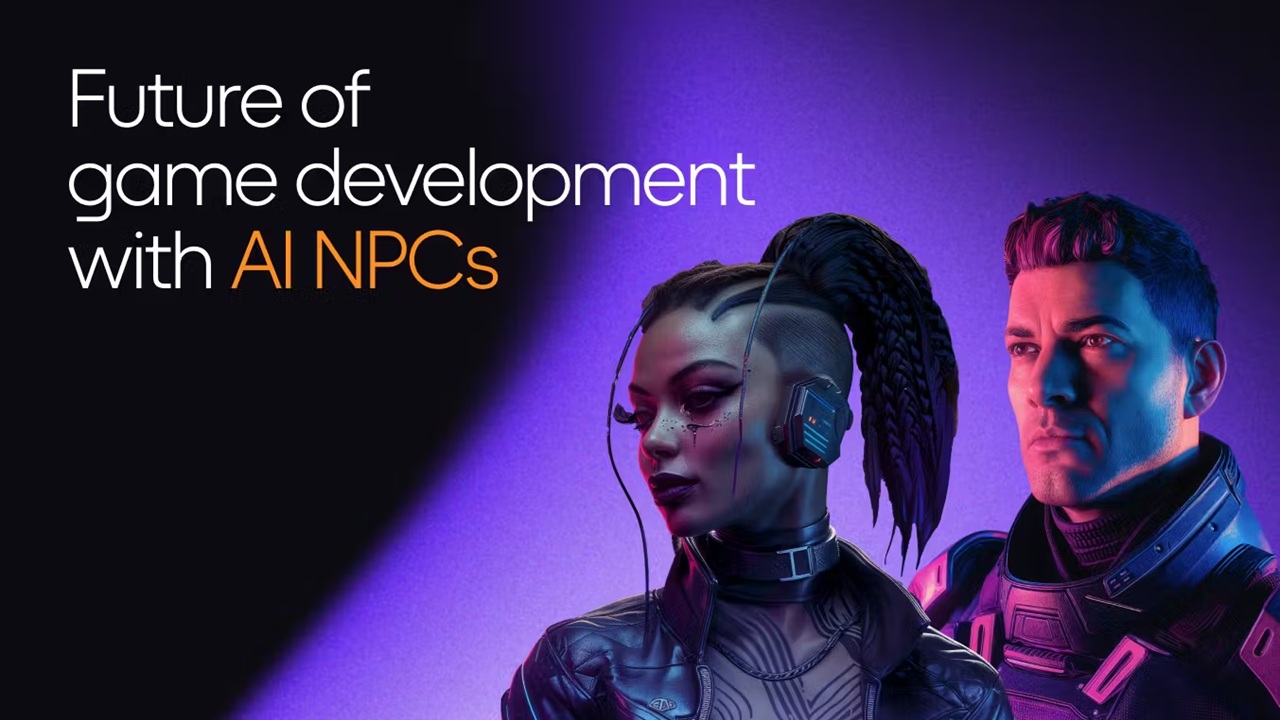
For decades, Non Player Characters known as NPCs have been a core part of video games. They guide players through quests, populate virtual cities, and help bring digital worlds to life. Whether it is a shopkeeper in a fantasy town or a soldier in a war game, NPCs help make the game world feel active and believable.
Traditionally, these characters followed pre written scripts created by developers. Their actions, conversations, and reactions were all planned in advance. While this worked well for many years, players eventually noticed the limitations. NPCs often repeated the same lines or behaved in predictable ways.
Now the gaming industry is entering a new phase. With advances in artificial intelligence, developers are experimenting with AI generated NPCs that can respond, adapt, and interact more naturally. As AI technology continues to evolve, 2026 is shaping up to be a major turning point for how game characters behave and interact with players.
What Are AI Generated NPCs in Modern Video Games
AI generated NPCs are game characters that use artificial intelligence to create more dynamic behavior, dialogue, and interactions. Instead of relying entirely on fixed scripts, these characters can generate responses and actions based on player input and in game events.
In simple terms, AI powered NPCs behave less like programmed robots and more like responsive characters. If a player asks a question, makes a choice, or behaves in a certain way, the NPC can react differently depending on the situation.
Several advanced technologies make this possible. Machine learning models help characters understand patterns in player behavior. Procedural generation systems can create unique dialogue or missions on the fly. Generative AI tools are also being used to produce conversations, personality traits, and story elements that feel less repetitive.
Together, these technologies allow NPCs to act more like individuals within the game world rather than background characters repeating the same lines over and over.
How Traditional NPCs Worked Before AI
Before artificial intelligence began shaping game design, NPCs were built almost entirely around scripted behavior. Developers wrote dialogue trees and programmed characters to follow specific actions when certain triggers occurred.
For example, a player might walk into a village and speak to an NPC who offers two or three dialogue choices. Each option leads to a fixed response that never changes no matter how many times the player repeats the conversation.
This approach worked well for storytelling, but it also created limitations. Players often noticed repeated lines of dialogue or identical reactions from characters across multiple playthroughs. NPCs rarely remembered previous actions or adapted to unexpected player behavior.
As games became larger and more complex, these limitations became more obvious. Open world environments looked realistic, but the characters inside them still behaved in very predictable ways.
Technologies Powering AI Generated NPCs in 2026
Several technological breakthroughs are making AI driven NPCs possible. Game developers are combining different artificial intelligence systems to create characters that can react more naturally inside virtual worlds.
Generative AI dialogue systems are one of the most important developments. These systems allow NPCs to generate conversations in real time instead of relying on pre written dialogue trees. This means players can interact with characters in ways that feel more natural and less scripted.
Natural language processing is another key technology. It allows NPCs to understand player input whether it comes from text or voice commands. Instead of selecting a dialogue option from a menu, players may be able to speak directly to characters in the future.
Machine learning behavior models also help NPCs learn how to respond to player actions. For example, an NPC might become more cautious if the player frequently behaves aggressively or more helpful if the player builds a positive reputation.
Real time decision making systems allow characters to react dynamically to events happening in the game world. Voice generation technology and emotional response systems are also being tested to give NPCs unique voices and personality traits.
Many studios are now experimenting with specialized AI engines designed specifically for gaming environments.
Examples of Games Experimenting With AI NPCs
The idea of AI driven NPCs is no longer just a concept. Several companies and developers are already experimenting with early versions of these technologies.
One well known example is NVIDIA ACE, a technology platform designed to power AI characters in video games. It combines speech recognition, generative AI dialogue, and voice synthesis to create NPCs that can hold natural conversations with players.
Modding communities have also begun experimenting with AI characters. In games like Skyrim, developers have created experimental mods that allow NPCs to generate responses using language models. These experiments show how older games can become more interactive with modern AI tools.
Open world games are another area where AI NPCs are being explored. Developers are testing character systems that react to changing environments, player choices, and evolving storylines.
Even indie developers are joining the movement. Many smaller studios are now using generative AI tools to design dynamic characters and procedural quest systems that would have been extremely difficult to build using traditional methods.
These early experiments are giving players a glimpse of what the future of gaming could look like.
How AI NPCs Will Change Player Experience
For players, AI generated NPCs could dramatically transform how games feel and play. One of the biggest changes will be the ability to have more natural conversations with game characters.
Instead of selecting from a list of dialogue options, players may eventually interact with NPCs using open ended conversations. Characters could respond with unique dialogue based on the situation, making every interaction slightly different.
AI systems can also generate quests dynamically. Rather than repeating the same missions, NPCs may create new objectives depending on the player’s decisions and actions within the game world.
Another major improvement is memory. AI powered characters could remember previous interactions with the player. If a player helps a character earlier in the game, that NPC might later provide assistance or react differently in future encounters.
These changes could also lead to more personalized storytelling. Each player’s journey through the game world might unfold in a slightly different way based on how they interact with characters.
For open world games, this level of responsiveness could make environments feel far more immersive and alive.
Challenges and Concerns of AI Generated NPCs
Despite the excitement surrounding AI NPCs, the technology also raises several challenges for developers and studios.
One major concern is the ethical use of AI generated content. Since generative systems can produce dialogue automatically, developers must ensure that the generated content remains appropriate and consistent with the game’s narrative.
Another challenge is development complexity. Building AI driven characters requires significant computing resources and careful testing to prevent unpredictable behavior.
AI systems can sometimes produce unexpected responses, which may disrupt gameplay or storytelling if not properly managed.
Moderation is also an important issue. If players can interact freely with AI characters through voice or text, developers must implement systems that prevent harmful or inappropriate interactions.
Balancing creative freedom with safety and control will remain an important challenge as this technology evolves.
What Game Developers Are Saying About AI NPCs
Many game developers see artificial intelligence as a powerful tool that can expand creative possibilities rather than replace human creativity.
Studios often emphasize that AI will assist writers and designers instead of taking over their roles. Developers can use AI systems to generate ideas, test new interactions, and build more complex character behaviors while still guiding the overall story and design.
Some creators believe AI could help smaller studios build richer game worlds without massive development teams. Others see it as a way to make characters feel more believable and responsive.
Overall, the industry appears cautious but optimistic about the role AI will play in shaping the future of interactive storytelling.
The Future of AI Driven NPCs Beyond 2026
Looking beyond 2026, the potential for AI powered characters is enormous. As technology continues to improve, NPCs may become fully conversational characters capable of responding naturally to almost any player input.
Future games could feature characters with evolving personalities that change over time based on the player’s actions and the events happening in the game world.
AI systems might also generate entire side quests and storylines dynamically, allowing players to experience unique narratives during every playthrough.
Another possibility is persistent game worlds where NPCs continue evolving even when players are offline. Characters might build relationships, form alliances, or react to events happening elsewhere in the world.
If these ideas become reality, video games could move closer than ever to living, breathing virtual worlds.
Frequently Asked Questions About AI NPCs
What are AI generated NPCs in video games
AI generated NPCs are characters powered by artificial intelligence that can create dynamic dialogue, behaviors, and responses instead of relying entirely on pre written scripts.
Will AI NPCs replace traditional scripted characters
Not completely. Many games will likely continue using scripted characters for structured storytelling. AI systems will more likely enhance NPC behavior rather than replace traditional design methods.
Which games are already using AI powered NPCs
Some experimental technologies such as NVIDIA ACE and AI driven character mods in games like Skyrim are early examples of AI powered NPC systems being tested.
How will AI NPCs change gaming in the future
AI NPCs could make games more interactive by allowing realistic conversations, dynamic quests, personalized stories, and characters that remember player actions.
Conclusion: A New Era for Interactive Gaming
Artificial intelligence is beginning to reshape how characters behave in video games. Instead of static scripted personalities, NPCs may soon become dynamic participants in the worlds they inhabit.
While the technology is still evolving, the progress already made suggests that the next generation of games will feel far more interactive and immersive. As developers continue experimenting with AI systems, players may soon experience game worlds where every character has something unique to say and every interaction feels meaningful.