

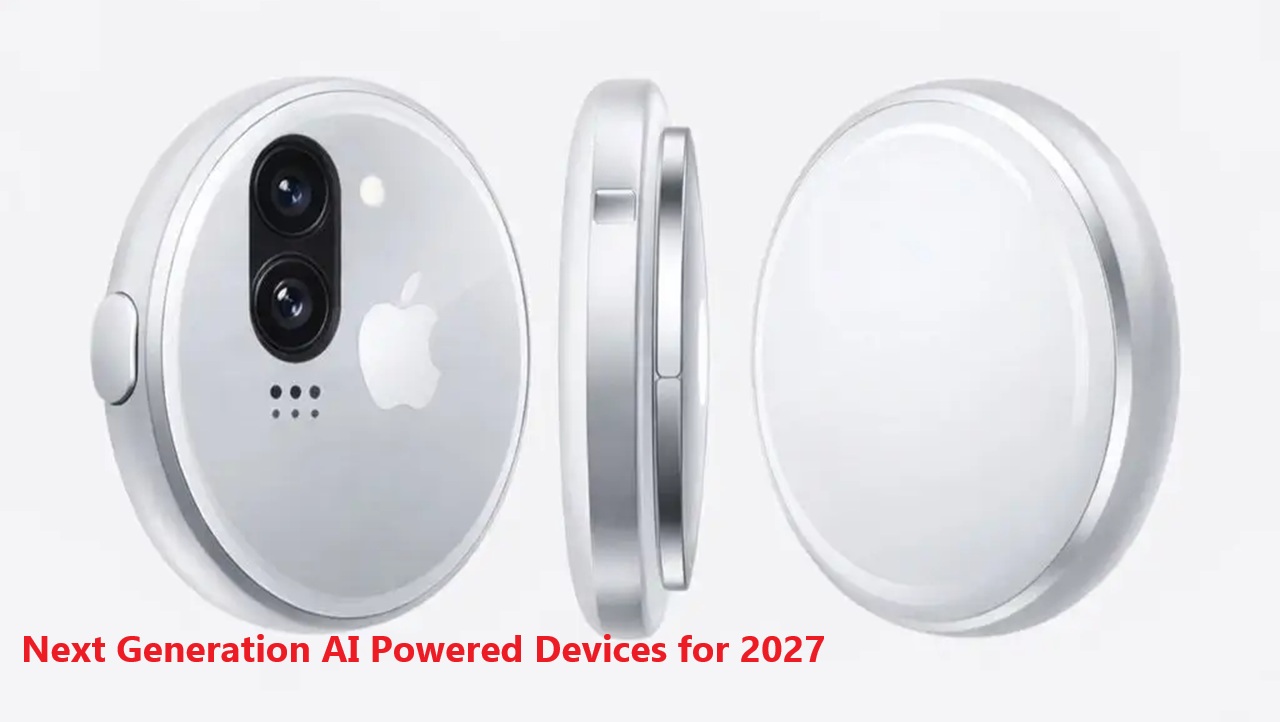
Artificial intelligence is quickly becoming the center of the technology industry, and Apple appears ready to take a much bigger role in shaping its future. Recent reports suggest that the company is working on a new generation of Apple AI devices that could arrive around 2027. Instead of focusing only on software features, Apple is reportedly building hardware designed specifically to run powerful AI tools directly on the device.
This shift reflects a broader Apple AI strategy aimed at combining advanced artificial intelligence with the company’s tightly integrated ecosystem. If these plans materialize, Apple 2027 devices could introduce smarter iPhones, AI powered wearables, and entirely new categories like smart glasses. For users, this could mean devices that understand context better, automate daily tasks, and respond more naturally to voice or gestures. For the tech industry, it signals that Apple is preparing for the next major wave of computing driven by AI.
What the Report Says About Apple’s AI Devices

Several technology reports and industry analysts have recently pointed to Apple’s long term roadmap for artificial intelligence hardware. Sources including Bloomberg technology reporting and supply chain analysts suggest that Apple is investing heavily in building devices designed to run AI directly on its own silicon.
According to these reports, Apple is exploring multiple AI powered product categories. The rumored lineup includes AI smart glasses, more advanced AI integrated iPhones, next generation HomePod devices, and upgraded Apple Watch models capable of running intelligent health and automation features locally.
The timeline mentioned in many reports points toward 2026 to 2027 as the period when these technologies could mature enough for commercial launch. Apple typically spends several years refining both hardware and software before introducing a new product category, so the timeline aligns with the company’s usual development cycle.
While Apple has not officially confirmed most of these products, the growing number of leaks and analyst predictions suggests that the company is building a long term ecosystem of AI powered devices rather than a single product.
Types of AI Powered Devices Apple May Launch
Apple’s long term AI roadmap appears to include several different types of intelligent devices. Instead of launching a single AI gadget, the company may introduce multiple products designed to work together across its ecosystem.
3.1 AI Smart Glasses
One of the most discussed possibilities is Apple AI smart glasses. These glasses could use cameras, sensors, and on device AI to understand the environment around the user. Potential features may include real time translation, contextual navigation, notifications in the user’s field of view, and visual recognition.
Such glasses could act as a lightweight alternative to smartphones for quick tasks, offering hands free interaction with Apple’s ecosystem.
3.2 AI Enhanced iPhone
Future iPhones are expected to integrate deeper artificial intelligence capabilities. Instead of sending requests to cloud servers, many AI functions could run directly on the device. This might allow faster voice assistants, smarter photo editing, improved battery management, and personalized recommendations based on daily habits.
3.3 AI Powered Home Devices
Apple may also expand its smart home strategy with AI powered HomePod devices or a dedicated home hub. These devices could coordinate smart appliances, security systems, lighting, and entertainment using intelligent automation.
A central AI hub could analyze user routines and automatically adjust home settings without constant manual input.
3.4 Wearables With On Device AI
Apple’s wearable lineup could also benefit from advanced AI processing. Future Apple Watch models may offer more sophisticated health monitoring features, predictive fitness insights, and early detection of certain medical patterns using machine learning models running locally on the device.
Apple’s AI Strategy Compared to Google and Microsoft
Apple’s approach to artificial intelligence looks different from the strategies used by other technology giants. Companies like Google and Microsoft have focused heavily on cloud based AI services. Tools such as Google Gemini, Microsoft Copilot, and systems developed by OpenAI rely significantly on powerful remote servers.
Apple, on the other hand, has historically emphasized on device AI. Instead of sending large amounts of user data to cloud platforms, Apple often processes information locally on the device. This approach supports the company’s long standing focus on privacy and security.
Another difference lies in ecosystem integration. Apple designs its hardware, software, and processors together. This allows AI features to work smoothly across devices like the iPhone, Apple Watch, iPad, and Mac.
While Google and Microsoft dominate cloud AI platforms, Apple may focus on building consumer hardware that runs AI directly in everyday devices. This strategy could make AI feel more seamless and personal rather than something that only exists inside remote data centers.
How Apple Silicon Will Power These AI Devices
At the center of Apple’s AI plans is its custom chip technology known as Apple Silicon. These processors already power devices like the iPhone, Mac, and iPad, and they include specialized components designed for artificial intelligence tasks.
One key feature is the Neural Engine, a dedicated part of Apple’s chips that handles machine learning operations. It allows devices to process voice recognition, image analysis, and predictive algorithms quickly while consuming minimal power.
Running AI directly on the device offers several advantages. It reduces the need to send sensitive data to external servers and makes responses faster because the processing happens locally. It also improves energy efficiency, which is crucial for portable devices like phones, watches, and potential smart glasses.
As Apple continues to improve its chips, these processors could become the foundation for the company’s future generation of AI powered hardware.
Why Apple Is Targeting 2027 for AI Hardware
The year 2027 may seem far away, but developing new hardware platforms often requires several years of research, testing, and refinement. Apple is known for taking a patient approach before launching entirely new product categories.
One reason for this timeline is the rapid evolution of artificial intelligence itself. The AI market is still maturing, and companies are continuously improving models, chips, and software tools. Waiting a few years allows Apple to introduce devices when the technology is more stable and capable.
Another factor is the complexity of building AI hardware that balances performance, battery life, and privacy. Apple typically designs its chips, operating systems, and hardware together, which takes time to perfect.
By targeting 2027, Apple may be positioning itself to release devices when consumer demand for dedicated AI hardware becomes much stronger.
Potential Impact on the Tech Industry
If Apple launches a full lineup of AI powered devices by 2027, the impact on the technology industry could be significant. Apple products often influence design trends and consumer expectations across the market.
For consumers, these devices could introduce a more natural way to interact with technology. AI could anticipate needs, automate tasks, and provide real time assistance throughout the day.
For the broader AI hardware market, Apple’s entry could accelerate competition among major tech companies. Companies such as Google, Microsoft, Samsung, and emerging AI hardware startups may push even faster innovation to keep up.
Smart device ecosystems could also evolve rapidly. Instead of isolated gadgets, future devices may function as interconnected AI systems that learn from user behavior and coordinate actions across phones, wearables, homes, and vehicles.
Challenges Apple May Face
Despite its strong position in the technology market, Apple will likely face several challenges while developing AI hardware. Competition in the AI industry is intense, with companies like Google and Microsoft investing billions into artificial intelligence platforms.
Regulatory pressure around AI and data usage is also increasing worldwide, which could affect how companies design AI features. Development costs for advanced chips, sensors, and machine learning models are another major factor.
Finally, Apple must balance powerful AI capabilities with its commitment to user privacy, which may limit certain types of data driven features.
What This Means for Apple Users
For everyday users, Apple’s AI roadmap could bring devices that feel much more intelligent and responsive. Instead of manually controlling every function, users may experience technology that automatically adapts to their habits and preferences.
Smarter voice assistants, better health insights, improved photo editing, and seamless smart home automation are just a few possibilities. Because Apple focuses on on device processing, many of these features may also work faster and with stronger privacy protection.
If the company successfully delivers these innovations, Apple users could see a noticeable shift toward more personalized digital experiences.
Frequently Asked Questions
What AI devices is Apple developing for 2027?
Reports suggest Apple may be working on several AI powered products including smart glasses, enhanced iPhones, advanced wearables, and AI driven home devices.
Will Apple release AI smart glasses?
Industry analysts believe Apple is exploring smart glasses that could display information in the user’s field of view and provide hands free interaction with digital services.
How will Apple use AI in future devices?
Apple is expected to focus heavily on on device AI, allowing features like voice recognition, image processing, and predictive automation to run directly on Apple hardware.
Will Apple compete with Google AI hardware?
Yes. Apple’s strategy could compete with AI platforms from companies like Google and Microsoft, though Apple may emphasize privacy and ecosystem integration rather than cloud based AI services.
Conclusion: Apple’s AI Future Looks Ambitious
Apple’s reported plans for AI powered hardware show how quickly artificial intelligence is reshaping the technology landscape. By focusing on Apple AI devices that run intelligent features directly on hardware, the company may redefine how people interact with everyday technology.
If the rumored Apple 2027 devices arrive as expected, they could introduce smarter wearables, AI enhanced smartphones, and entirely new product categories like smart glasses. While many details remain uncertain, one thing is clear: Apple’s long term AI strategy could play a major role in shaping the next decade of consumer technology.