

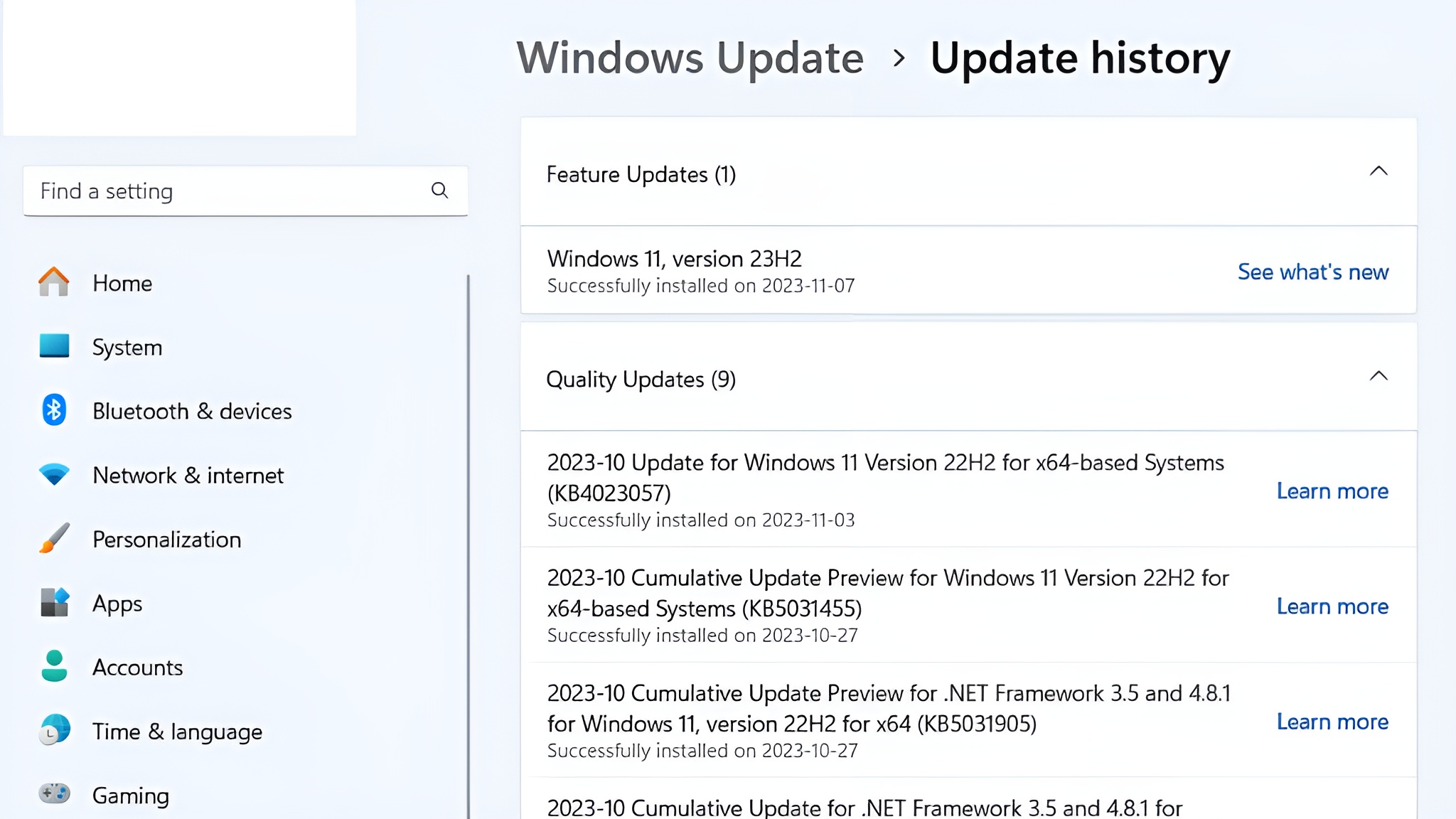
Keeping your Windows operating system up to date is essential for security, performance, and overall system stability. Windows Live Updates, a core feature of modern Windows versions, ensures your device receives the latest patches, security fixes, and software improvements automatically. However, understanding update history logs can help you manage updates efficiently and troubleshoot any issues that arise.
In this article, we’ll dive deep into Windows Live Updates, explain the update history log, and explore how you can leverage it to keep your system running smoothly.
What Are Windows Live Updates?
Windows Live Updates is the mechanism through which Microsoft delivers software updates, security patches, and system improvements to your computer. These updates are critical because they:
- Protect against security threats – Cyber threats evolve constantly, and regular updates fix vulnerabilities.
- Improve system performance – Updates can optimize your system, fix bugs, and enhance speed.
- Ensure software compatibility – New software and applications often require the latest OS updates.
- Add new features – Occasionally, Microsoft releases new functionalities through updates.
Updates are generally installed automatically, but sometimes users want to check what was installed, when, and whether it was successful. This is where the Update History Log becomes invaluable.
Understanding the Update History Log
The Update History Log is a detailed record of all updates installed on your Windows system. It provides critical information such as:
- Update name – Identifies the specific update.
- Date installed – Shows when the update was applied.
- Status – Indicates whether the update was successful, failed, or pending.
- Update type – Classifies updates as security, feature, driver, or cumulative updates.
This log is extremely useful for troubleshooting issues like:
- Failed updates causing system errors.
- Feature updates not appearing after installation.
- Security updates that need verification.
How to Access the Update History Log
Accessing your Windows update history is straightforward. Follow these steps:
- Open Settings – Press Win + I to open the Settings menu.
- Navigate to Update & Security – Click on “Windows Update.”
- View Update History – Click on “View update history” to see all installed updates.
Here, you can see the details of:
- Quality updates – Regular updates to fix bugs and improve stability.
- Driver updates – Updates for hardware drivers like graphics or audio.
- Feature updates – Major updates with new OS functionalities.
- Definition updates – Updates for Windows Defender or security software.
Types of Updates in the Log
Understanding the different update types helps in managing your system better:
- Security Updates – Essential for protecting your system from vulnerabilities.
- Cumulative Updates – Include multiple patches and fixes in one update package.
- Feature Updates – Introduce new functionalities and user interface changes.
- Driver Updates – Ensure hardware components work correctly with the OS.
- Optional Updates – Updates that you can choose to install, such as additional features or enhancements.
By tracking these updates in the log, users can determine which update may have caused an issue and revert or troubleshoot accordingly.
Benefits of Checking Update History
Checking your update history regularly provides several advantages:
- Troubleshooting Failed Updates – You can identify failed updates and retry or manually download them.
- System Performance Monitoring – See which updates improve system stability.
- Security Verification – Ensure critical security patches are installed.
- Compliance – For organizations, update history ensures systems meet security and software compliance requirements.
Troubleshooting Updates Using the Log
When an update fails, Windows typically provides an error code. By checking the Update History Log, you can:
- Identify the update causing the issue.
- Search for the error code online or on Microsoft’s official support pages.
- Retry installation or manually install the update.
- Roll back updates that are causing system instability.
Pro Tip: For stubborn updates, using the Windows Update Troubleshooter can help resolve installation issues automatically.
How to Export Update History
Sometimes, you may need to save or share your update history. Windows allows exporting update logs via Command Prompt or PowerShell.
Using Command Prompt:
- Press Win + S, type
cmd, and select Run as administrator. -
Enter the command:
wmic qfe list full /format:table - This will display a table with all updates, which you can save to a text file.
Using PowerShell:
- Open PowerShell as administrator.
-
Enter:
Get-HotFix -
Export the output to a CSV file for analysis:
Get-HotFix | Export-Csv C:\UpdateHistory.csv –NoTypeInformation
This is especially useful for IT administrators managing multiple systems.
Tips for Managing Windows Updates
To make the most out of Windows Live Updates:
- Enable Automatic Updates – Ensure your system always receives the latest security and feature updates.
- Schedule Active Hours – Prevent interruptions by scheduling updates during non-working hours.
- Back Up Your System – Before major feature updates, back up important files.
- Use Update History for Troubleshooting – Check the log before contacting support for errors.
- Keep Drivers Updated – Ensure all hardware drivers are current to avoid compatibility issues.
Common Issues and Solutions
Even with Windows Live Updates, issues can occur. Common problems include:
- Update Stuck or Not Downloading – Clear Windows Update cache and retry.
- Failed Installation – Check error codes in the update history and download manually.
- System Slowdown After Update – Roll back the update or perform a system restore.
- Missing Updates – Ensure your device meets the system requirements for the update.
Regularly checking your Update History Log helps identify these issues early.
The Future of Windows Live Updates
With Windows evolving rapidly, updates are becoming smarter and more streamlined. Upcoming enhancements may include:
- AI-Powered Update Scheduling – Optimizing installation times based on usage patterns.
- Predictive Error Detection – Identifying potential failures before they occur.
- Seamless Background Updates – Reducing system interruptions.
- Enhanced Security Patches – Faster delivery of critical security updates.
Staying familiar with your update history log ensures you remain in control of your system while benefiting from these innovations.
Conclusion
The Windows Live Updates system and its Update History Log are essential tools for keeping your Windows device secure, fast, and reliable. By understanding the log, regularly checking for failed updates, and managing your system proactively, you can avoid potential problems, optimize performance, and maintain security.
Whether you are a casual user or an IT professional, leveraging the update history log empowers you with knowledge and control over your system, ensuring your Windows experience is smooth and trouble-free.