

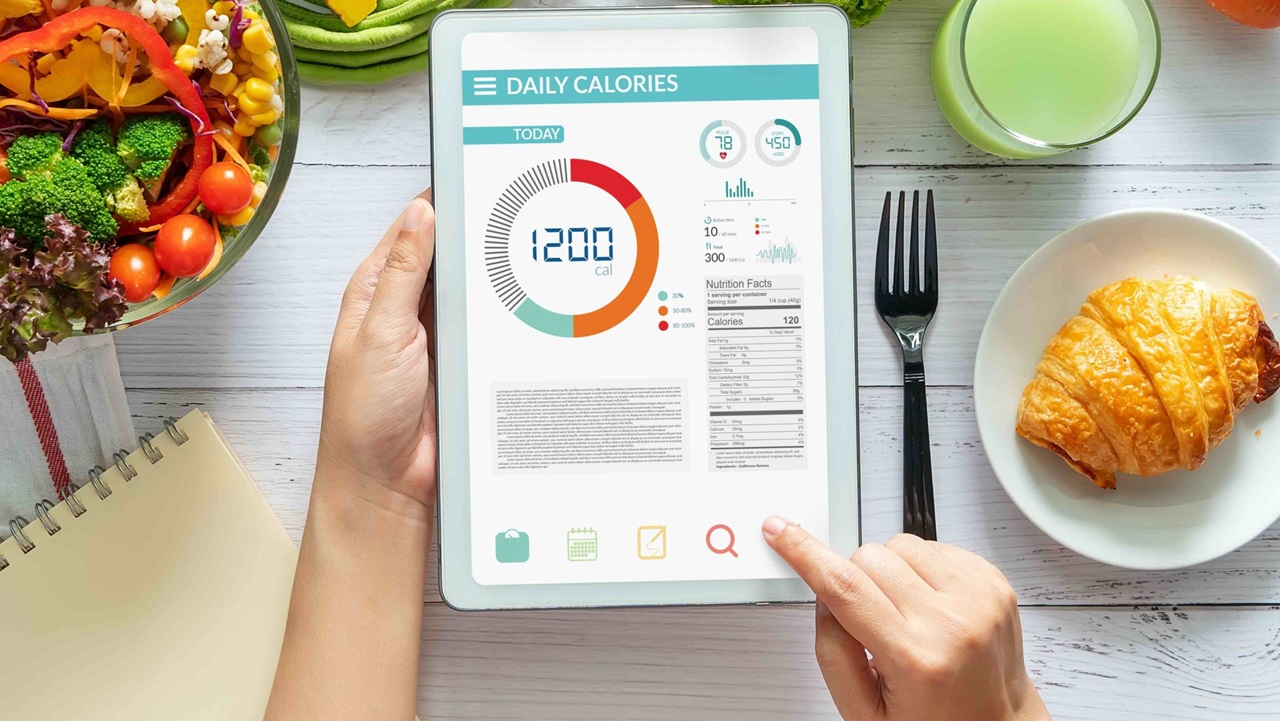
Maintaining balanced nutrition has become more challenging in modern life. Busy work schedules, fast food options, and processed meals often make it difficult for people to pay attention to what they are actually eating. Many individuals unknowingly consume too many calories while others miss important nutrients such as protein, fiber, vitamins, and minerals.
Without proper awareness, daily eating habits can slowly affect energy levels, body weight, and long term health. This is where digital tools can make a real difference. A nutrition calculator helps people understand what is in their food and how it fits into their daily nutritional needs.
By tracking calories and nutrients, the tool allows users to make smarter food decisions. In the same way that financial tools like a credit card interest calculator or a credit card apr calculator help people manage money more responsibly, a nutrition calculator helps individuals manage their diet with clarity and confidence.
What Is a Nutrition Calculator?

A nutrition calculator is a simple digital tool designed to estimate the nutritional value of foods and meals. It analyzes the ingredients or food items entered by the user and calculates important dietary information.
The tool typically provides details such as calories, protein, carbohydrates, fats, fiber, vitamins, and minerals. Instead of manually checking nutrition labels or complex food charts, users can simply enter the foods they eat and instantly receive a complete nutritional breakdown.
Many nutrition calculators allow users to add individual ingredients, select portion sizes, or log entire meals. This makes it easier to see how different foods contribute to daily nutrition goals.
For people who are not familiar with nutritional science, the calculator simplifies complex data into easy to understand information. It helps individuals quickly see whether their meals are balanced or if certain nutrients are missing from their diet.
Why Tracking Nutrition Matters for Overall Health
Nutrition plays a major role in overall health and well being. The food people eat every day directly affects energy levels, metabolism, immune function, and long term disease risk.
However, many people underestimate how easily nutritional imbalance can occur. A person might consume enough calories but still lack essential nutrients such as protein, iron, calcium, or healthy fats. Others may unknowingly consume too much sugar or processed carbohydrates.
Over time, these imbalances can contribute to fatigue, weight gain, muscle loss, and various health concerns. Tracking nutrition helps individuals stay aware of what their bodies are receiving each day.
A nutrition calculator provides a clear overview of dietary intake. Instead of guessing whether a meal is healthy, users can see actual nutritional values. This awareness encourages smarter choices and helps people maintain balanced eating habits that support long term health.
Key Benefits of Using a Nutrition Calculator
Using a nutrition calculator offers several advantages for people who want to improve their diet and maintain healthier eating habits.
One of the biggest benefits is better calorie management. Many individuals either consume more calories than they realize or eat too little when trying to lose weight. Tracking calories helps maintain a balanced intake that supports personal health goals.
Another important benefit is balanced macronutrient intake. A nutrition calculator shows how much protein, carbohydrates, and fat a person consumes each day. This information is especially helpful for individuals trying to build muscle, improve athletic performance, or maintain steady energy levels.
The tool also supports effective weight management. By understanding calorie intake and nutrient distribution, users can adjust meals to support weight loss, weight gain, or weight maintenance.
Diet planning becomes easier as well. Instead of guessing which foods fit into a healthy diet, users can build meals that align with their nutritional targets.
In many ways, this process is similar to how financial tools like a credit card interest calculator or credit card apr calculator help people understand and manage their financial decisions. A nutrition calculator offers the same level of awareness and control for dietary choices.
How a Nutrition Calculator Helps With Diet Planning
Planning a healthy diet requires more than simply choosing foods that seem healthy. Proper diet planning involves balancing calories and nutrients to match a person’s goals and lifestyle.
A nutrition calculator makes this process much easier. Users can enter foods they plan to eat throughout the day and instantly see the nutritional breakdown of their meals. This allows them to adjust portions or swap ingredients to reach their desired calorie and nutrient targets.
For example, someone aiming to lose weight may reduce calorie intake while maintaining sufficient protein. A person focused on muscle growth may increase protein and overall calorie consumption.
The calculator also helps ensure that meals include a good balance of carbohydrates, fats, and proteins. Instead of relying on guesswork, users can create structured meal plans based on accurate nutritional information.
This level of planning improves consistency and helps individuals follow their diet goals more effectively.
Who Should Use a Nutrition Calculator?
A nutrition calculator can benefit many different types of people, not just those who are strictly dieting.
Individuals trying to lose weight often use the tool to monitor calorie intake and maintain a calorie deficit while still getting necessary nutrients. People who want to gain weight or build muscle also find it helpful because they can track protein and calorie intake more precisely.
Athletes and fitness enthusiasts frequently rely on nutrition tracking to support performance, recovery, and endurance. Knowing the exact balance of nutrients helps them fuel their bodies effectively.
People managing medical conditions such as diabetes or heart related issues may also benefit from tracking nutrients like carbohydrates, sodium, or fats.
Dietitians and nutrition coaches sometimes recommend nutrition calculators to help clients stay accountable between consultations.
Even someone who simply wants to eat healthier can use the tool to develop better awareness of daily food choices.
How to Use a Nutrition Calculator Step by Step
Using a nutrition calculator is straightforward and does not require any technical knowledge. Most tools follow a simple process that anyone can understand.
First, the user enters the food items or ingredients they have eaten or plan to eat. Many calculators include large food databases that make it easy to find common meals and ingredients.
Next, the user selects the portion size or quantity of each item. Accurate portion sizes help ensure that the nutritional calculations are realistic.
Once the foods are entered, the calculator analyzes the data and displays the calorie count and nutrient breakdown. This usually includes protein, carbohydrates, fats, fiber, and other key nutrients.
Users can then review the results and adjust their meals if necessary. For example, they might add more protein or reduce excess sugar.
Finally, tracking daily intake over time helps individuals monitor their eating habits and maintain consistent progress.
Common Mistakes People Make When Tracking Nutrition
Although nutrition tracking can be very helpful, some common mistakes can reduce its accuracy.
One frequent mistake is ignoring portion sizes. Estimating food quantities instead of measuring them often leads to inaccurate calorie and nutrient calculations.
Another common issue is forgetting to log snacks and beverages. Drinks, small snacks, and condiments can add significant calories that people often overlook.
Some individuals focus only on calorie numbers while ignoring overall nutrient balance. A diet may meet calorie goals but still lack important nutrients.
Inconsistent tracking is another problem. Logging meals only occasionally makes it difficult to understand actual eating patterns.
Using a nutrition calculator regularly helps reduce these mistakes and provides a clearer picture of daily dietary habits.
Tips for Getting the Most Accurate Nutrition Results
To get the most reliable results from a nutrition calculator, it helps to follow a few simple habits.
Measure food portions carefully whenever possible instead of estimating them. Even small differences in portion size can affect calorie totals.
Log meals immediately after eating so that nothing is forgotten later. Include every ingredient in the calculation, including oils, sauces, and toppings.
Finally, compare your daily nutrient intake with your personal nutrition goals. This makes it easier to adjust meals and maintain a balanced diet over time.
Conclusion: Making Healthier Food Choices With a Nutrition Calculator
Understanding what we eat is one of the most important steps toward building a healthier lifestyle. Many people try to improve their diet but struggle because they lack clear information about the nutritional value of their meals.
A nutrition calculator solves this problem by turning complex nutritional data into simple and useful insights. It helps individuals track calories, monitor nutrient intake, and plan balanced meals more effectively.
Just as financial tools like a credit card interest calculator or credit card apr calculator help people make smarter money decisions, a nutrition calculator helps users make better food choices.
By using the tool consistently, individuals can develop healthier eating habits, support their fitness goals, and maintain long term well being.