

Pregnancy begins with a series of tiny biological events that most people never notice happening inside the body. One of the most important of these steps is Female Egg implantation, which occurs after ovulation and fertilization.
In simple terms, implantation happens when a fertilized egg attaches itself to the lining of the uterus. This step is essential because it allows the developing embryo to receive nutrients and continue growing. Without implantation, pregnancy cannot progress.
For people who are trying to conceive, understanding implantation can be incredibly helpful. Knowing when implantation usually occurs and what early signs might appear can make it easier to track fertility and recognize the earliest stages of pregnancy. Many couples also use helpful tools like an implantation calculator to estimate when implantation might occur within their cycle.
What Is Egg Implantation?
Egg implantation is the biological process where a fertilized egg attaches to the uterine lining so that pregnancy can begin.
After ovulation, the ovary releases an egg into the fallopian tube. If sperm reaches the egg and fertilization occurs, the fertilized egg becomes a tiny cluster of cells known as an embryo. Instead of staying in the fallopian tube, this embryo slowly travels toward the uterus.
Once it reaches the uterus, the embryo must attach itself to the thick uterine lining, also called the endometrium. This attachment allows the embryo to receive oxygen and nutrients from the mother’s body.
Implantation is a crucial step because pregnancy cannot continue unless the embryo successfully embeds itself in the uterine lining. If implantation does not happen, the body simply sheds the uterine lining during the next menstrual period.
Understanding Female Egg implantation helps people recognize the earliest stage of pregnancy and understand why timing within the menstrual cycle matters so much when trying to conceive.
When Does Egg Implantation Usually Happen?
Implantation does not happen immediately after fertilization. Instead, it usually occurs several days later as the fertilized egg travels toward the uterus.
In most cases, implantation happens about 6 to 10 days after ovulation. This window is considered the typical implantation period in many pregnancies. However, every person’s body is slightly different, so implantation timing can vary.
The length of a menstrual cycle can also influence when implantation occurs. Someone with a shorter cycle may experience implantation earlier in the cycle, while a longer cycle may shift the timing slightly later.
Tracking ovulation can help estimate the implantation window. Many people use tools such as an implantation calculator
to predict when implantation may occur based on their ovulation date.
Understanding this timeline can be helpful for those trying to conceive because it explains why pregnancy symptoms or positive tests do not appear immediately after ovulation.
Step by Step Process of Implantation
Implantation is not a single moment. It is a short process that unfolds over several days as the fertilized egg develops and settles into the uterus.
1. Fertilization of the Egg
The journey begins when sperm meets the egg in the fallopian tube. This usually happens within 12 to 24 hours after ovulation.
When one sperm successfully penetrates the egg, fertilization occurs. The fertilized egg then becomes a zygote and begins dividing into multiple cells as it moves through the reproductive tract.
2. Journey to the Uterus
Over the next three to five days, the fertilized egg continues dividing and developing. During this time, it slowly travels down the fallopian tube toward the uterus.
By the time it reaches the uterus, it has developed into a structure called a blastocyst. This structure contains cells that will later form the baby and the placenta.
3. Attachment to the Uterine Lining
Once inside the uterus, the blastocyst searches for a suitable place to attach to the uterine lining.
The outer cells begin interacting with the uterine wall and gradually embed themselves into the endometrium. Once the embryo successfully attaches, Female Egg implantation is considered complete and early pregnancy officially begins.
According to reproductive health research from the American College of Obstetricians and Gynecologists
implantation is one of the most delicate stages of early pregnancy and plays a critical role in pregnancy success.
Early Signs of Egg Implantation
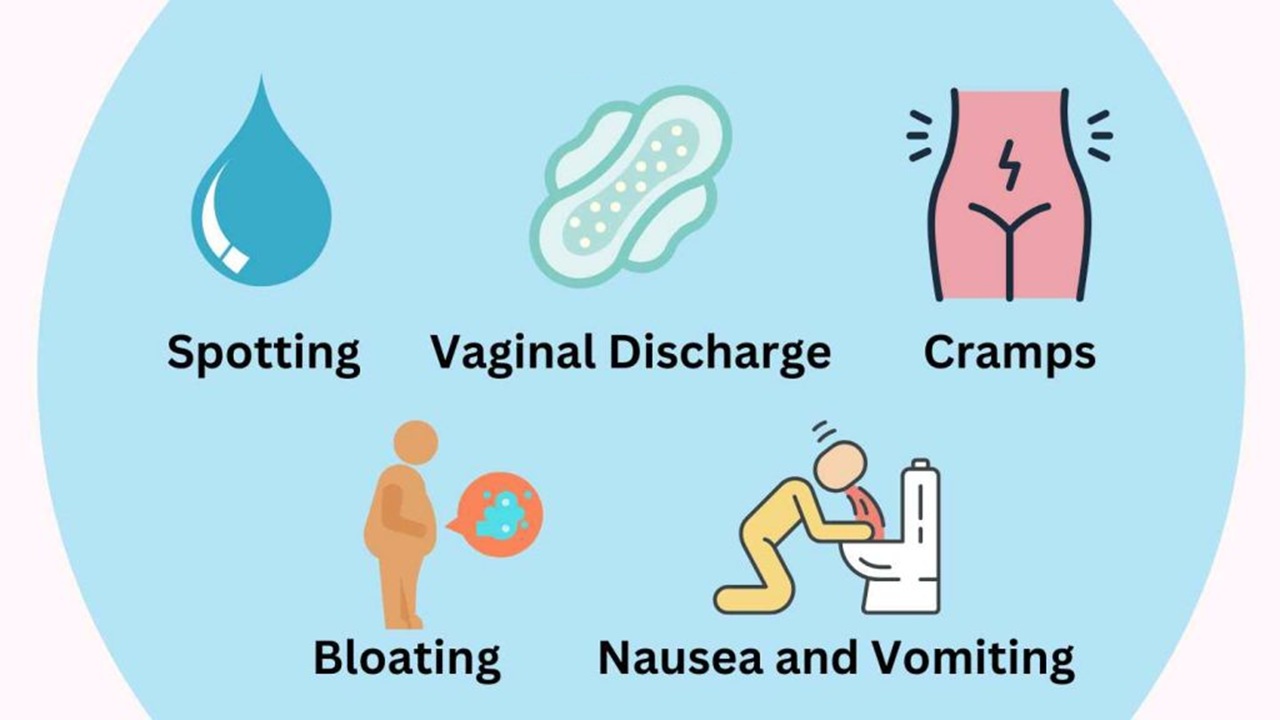
Not everyone notices implantation symptoms, but some people experience subtle signs as the embryo attaches to the uterus.
One of the most talked about symptoms is implantation bleeding. This occurs when the embryo burrows into the uterine lining and causes tiny blood vessels to break. The bleeding is usually very light and lasts only a short time.
Some individuals also experience mild cramping in the lower abdomen. These cramps are generally much lighter than menstrual cramps and may last only a few hours.
Another common sign is breast tenderness. Hormonal changes begin soon after implantation, and these shifts can make the breasts feel sore or sensitive.
Fatigue is also possible during this stage. The body begins producing hormones that support pregnancy, and this hormonal shift can leave some people feeling unusually tired.
Some people also notice a slight rise in body temperature, especially if they track their basal body temperature for fertility awareness.
However, it is important to remember that symptoms vary widely. Some people notice several signs, while others feel nothing at all.
Implantation Bleeding Explained
Implantation bleeding is a light spotting that may occur when the embryo attaches to the uterine lining.
This happens because the embryo gently burrows into the endometrium, which can cause tiny blood vessels to break. The resulting bleeding is usually very light compared to a normal menstrual period.
Implantation bleeding is typically light pink or brown in color, rather than the bright red often seen during menstruation. The flow is usually minimal and may appear as spotting on toilet paper or light stains.
Another key difference is duration. Implantation bleeding often lasts only a few hours or up to two days, while a menstrual period generally lasts several days.
Although implantation bleeding can be an early sign of pregnancy, not everyone experiences it.
Implantation vs Period: How to Tell the Difference
Because implantation bleeding can happen close to the expected period date, it is sometimes confused with menstruation.
However, there are several differences that can help distinguish between the two.
Implantation bleeding usually occurs 6 to 10 days after ovulation, while a period typically arrives about two weeks after ovulation.
The color is another clue. Implantation spotting often appears light pink or brown, whereas menstrual blood is usually darker red.
Flow intensity is also different. Implantation bleeding is usually very light and may appear only as spotting. A normal period generally starts light and becomes heavier over time.
Duration can also help identify the difference. Implantation spotting usually lasts less than two days, while menstrual bleeding often continues for three to five days or longer.
When to Take a Pregnancy Test After Implantation
After implantation occurs, the body begins producing a hormone called hCG. This hormone is what pregnancy tests detect.
However, hCG levels need time to build up in the body before they can be detected by a home pregnancy test.
Most experts recommend waiting about 3 to 5 days after implantation before testing. Testing too early may lead to a false negative result because hormone levels are still too low.
For the most reliable result, many healthcare providers suggest taking a pregnancy test on the first day of a missed period.
Tracking ovulation and implantation timing can help estimate the best testing window.
Factors That Can Affect Implantation Timing
Implantation timing is not identical for everyone. Several factors can influence when or how implantation occurs.
One important factor is hormonal balance. Hormones such as progesterone play a major role in preparing the uterine lining for implantation.
The health of the uterine lining also matters. A thick and healthy endometrium provides the best environment for the embryo to attach.
Lifestyle factors can also influence fertility and implantation. High stress levels, poor sleep, and unhealthy habits may indirectly affect reproductive health.
Age can also impact implantation success, since fertility naturally changes over time.
Understanding these factors helps explain why implantation may occur slightly earlier or later in different individuals.
When Implantation Symptoms May Not Appear
It is completely normal for implantation to occur without any noticeable symptoms.
Many people expect clear signs such as spotting or cramping, but in reality, a large number of pregnancies begin quietly without any obvious signals.
Some individuals may not experience implantation bleeding or physical sensations at all. Others may have symptoms so mild that they go unnoticed.
The absence of symptoms does not mean implantation failed or pregnancy did not occur. In fact, many healthy pregnancies begin with no noticeable implantation signs.
Because symptoms can be unreliable, pregnancy tests remain the most accurate way to confirm pregnancy.
When to Consult a Doctor
While most implantation symptoms are mild and harmless, there are situations where medical advice may be helpful.
If bleeding becomes heavy or is accompanied by severe abdominal pain, it is important to seek medical attention. These symptoms could indicate conditions that require evaluation.
People who have been trying to conceive for an extended period without success may also benefit from speaking with a fertility specialist.
A healthcare professional can provide personalized guidance, perform tests if needed, and help identify any underlying issues affecting fertility.
Frequently Asked Questions About Egg Implantation
How many days after ovulation does implantation occur?
Implantation typically occurs between 6 and 10 days after ovulation. However, slight variations are normal and may differ from person to person.
Can you feel implantation happening?
Most people cannot physically feel implantation. Some may experience mild cramping or spotting, but many notice no symptoms at all.
How long does implantation bleeding last?
Implantation bleeding usually lasts from a few hours up to two days. It is much lighter and shorter than a normal menstrual period.
Can implantation happen earlier or later than usual?
Yes, implantation timing can vary slightly. While the common window is 6 to 10 days after ovulation, some pregnancies may implant a little earlier or later.
Can a pregnancy test detect pregnancy immediately after implantation?
Not immediately. After implantation, the body begins producing hCG, but it takes a few days for the hormone level to become high enough to detect. Testing after a missed period usually provides the most accurate result.
Conclusion
Implantation is one of the earliest and most important steps in pregnancy. During this stage, the fertilized egg attaches to the uterine lining and begins the process of development.
Understanding Female Egg implantation can help people recognize early pregnancy signs, track fertility cycles, and better understand how conception works.
While some individuals experience symptoms such as spotting or mild cramps, others may notice nothing at all. Both situations are completely normal.
Using helpful tools, learning about your cycle, and seeking medical advice when needed can make the journey toward pregnancy clearer and less stressful.